Winning Poker Through Better Focus
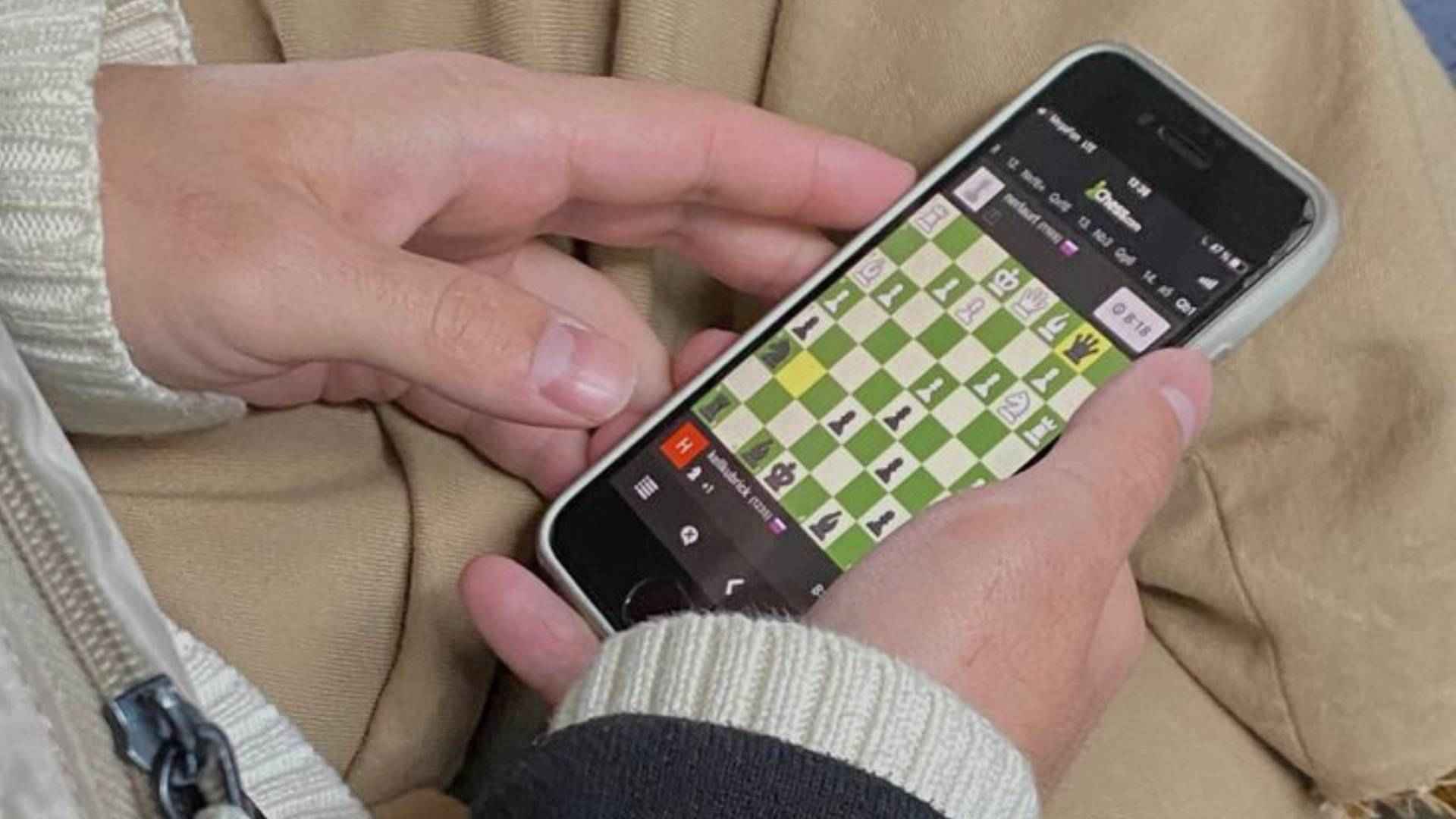
Poker is an intense game of skill where mental stamina frequently dictates who leaves the table with the chips. While many competitors spend hours memorizing hand rankings and complex math, the ability to sustain concentration during long sessions is often ignored. Developing absolute clarity helps players avoid the mental exhaustion that causes major tactical blunders.
The Power of Present Moment Awareness
Remaining completely locked into the current hand allows a player to pick up on subtle physical and betting tell signs from opponents. Casual enthusiasts often let their minds wander to previous losses or future payouts, which leads to immediate unforced errors. Maintaining sharp situational observation ensures you process all available table metrics accurately before placing a wager.
Distractions from digital devices or outside noises can easily break your strategic momentum during critical tournament phases. Successful individuals cultivate a disciplined routine that shields their cognitive faculties from external interferences. Elevating your baseline awareness ensures that every folding decision or aggressive raise is fully backed by objective reasoning.
Managing Emotional Reactivity at the Table
Mental focus acts as a vital shield against the psychological damage caused by bad beats and unexpected card variance. When a competitor loses concentration, frustration quickly replaces logic, giving rise to a destructive state known as tilt. Maintaining a balanced perspective prevents short-term negative outcomes from disrupting your entire game execution.
By treating every deal as an independent event, you protect your bankroll from impulsive and emotionally driven decisions. Dedicated enthusiasts often use reliable platforms like Mansion88 to practice their strategic discipline under authentic conditions. Keeping your feelings detached from the mathematical realities of the game remains the ultimate hallmark of a professional.
Optimizing Brain Endurance for Long Sessions
Sustaining peak cognitive performance over multiple hours requires proper physical preparation and intentional resting periods. Cognitive fatigue quietly degrades your analytical skills, making complex post-flop calculations significantly more difficult to execute. Implementing brief mental check-ins during breaks helps refresh your analytical thinking for upcoming challenges.
A fatigued brain naturally defaults to passive plays and lazy assumptions rather than active observation. Consuming proper nutrition and staying hydrated directly influences how effectively you process complex data during high-stakes moments. Treating your mind like an elite athlete treats their body creates a sustainable competitive advantage over weary opponents.
Tracking Opponent Tendencies Consistently
Superior concentration allows you to build accurate mental profiles of every participant sitting at your table. Noting how an opponent reacts to sudden board changes provides invaluable data that can be exploited in later rounds. Missing these subtle tactical cues means losing out on highly profitable opportunities to maximize your value bets.
Even when you are not actively involved in a hand, observing the remaining players yields vital strategic insights. Dedicated study of continuous betting patterns reveals structural vulnerabilities in another player's strategic approach. Ultimate victory belongs to the competitor who continuously gathers data while maintaining total control over their own focus.